Background
Sitwell is an app for moviegoers to book tickets and reserve seats at their local movie theaters. Sitwell creates a seamless and convenient service for users, allowing them to skip the long lines and enjoy the movies.
Note: this is a conceptual app created as part of the Google UX Design Certificate program.
Role
Solo UX designer
Duration
~3 months
Tools
Figma, Photoshop
Platform
Mobile app
Challenge
For this project, I was provided the following prompt:
Design an app for users to reserve seats at the movies.
Research
Competitive Audit
To address the prompt, I first look at the market and see what options are currently available. I learned that 69% of moviegoers book their tickets online (source).
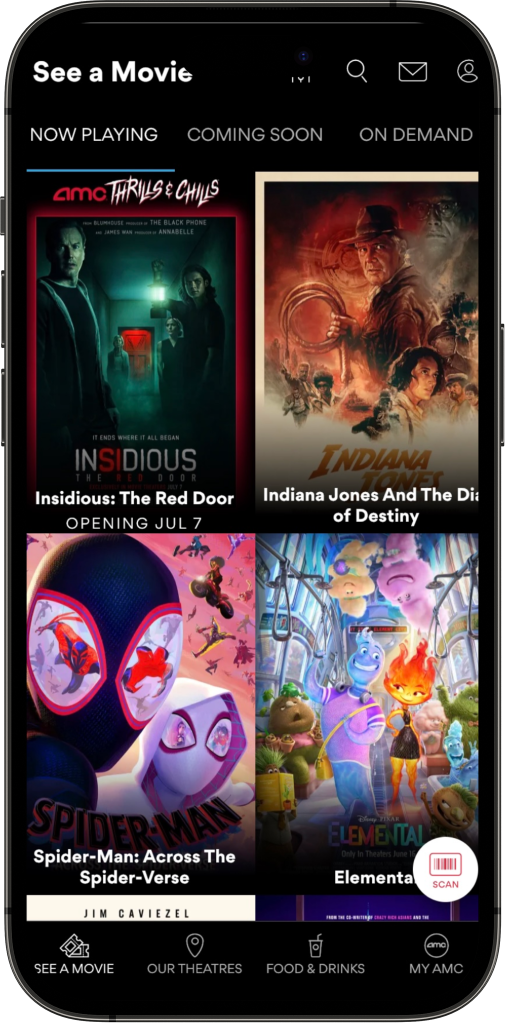
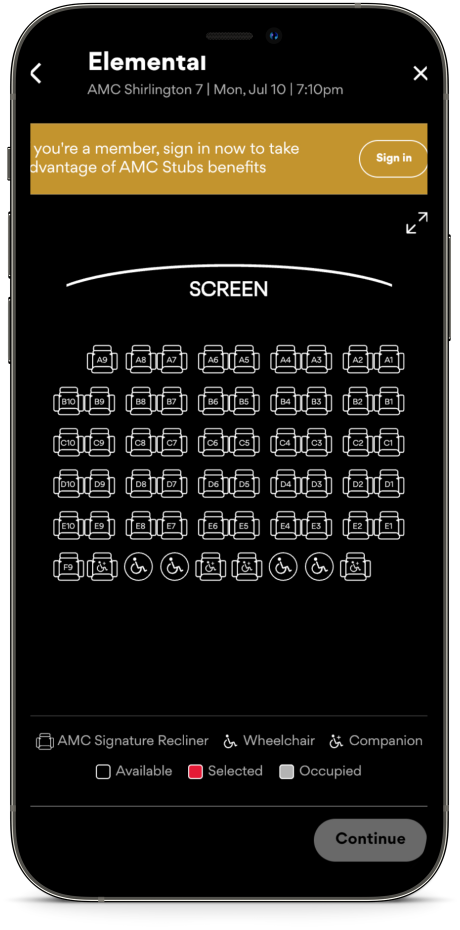
Most moviegoers can reserve tickets on the app of a major theater chain (AMC, Cinemark, etc).
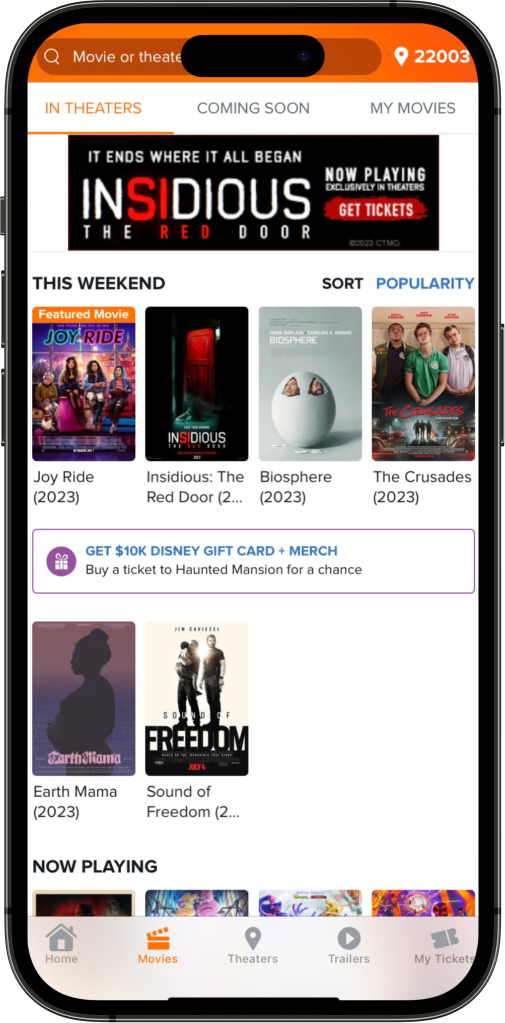
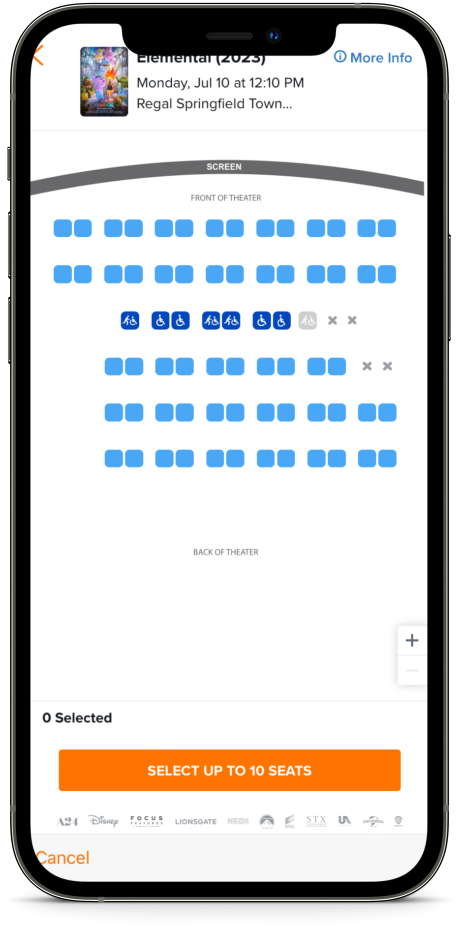
Another way users can reserve is via a ticketing service that aggregates all of the theater chains around the area. The biggest one currently in the market is Fandango.
Fandango
AMC
Cinemark
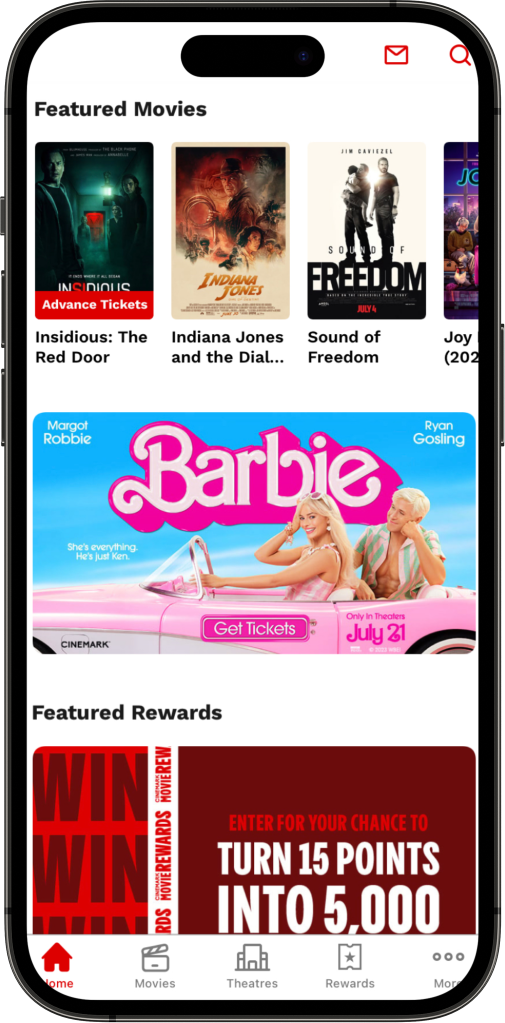
Based on the prompt, I decided to make a ticketing service app that compiles showings from all of the theater chains in the area. Our app will allow users to book tickets, seats, and everything else they’ll need at the movies.
In this situation, Fandango is our direct competitor. The theater chains become our indirect competitors.
Demographic Research
To figure out the demographics that the app would market to, I looked around the internet for statistics on who often go to the movies. I learned the following:
About half of internet adults have been to the movies at least once in the past three months (source).
Most frequent moviegoers are gen-Z and millennials (14 to 34 years old) (source).
Heavy moviegoers tend to live in urban or suburban setting, have college degrees, and come from families with 3-4 members in the household (source).
With this research, our target audience will be young adults and adults up to 50 who live in urban and suburban areas.
User Research
After identifying the target users, I reached out to moviegoers within the demographic to get feedback about their experience reserving tickets online. In particular, I wanted to know their pain points and what they hope to see in a ticketing app.
I asked some friends who are movie buffs, as well as posting a survey on the internet to get more input from strangers. My survey consisted of the following questions:
What problems do you experience when booking movie tickets online?
What features do you want to see in an app for booking movie tickets?
In analyzing responses from 11 participants, I noted the following:
Pain Points:
Booking seats with wrong/undesirable views
Desired seat is unavailable
No accessibility features
Having to wait in line for food
Not knowing the layout of the theater
Desired Features
Info about seats (view, size, cupholder, etc) and theater’s layout
Ability to see available seats before booking the ticket
Ability to also book accessible seats and devices
Ability to order food delivery
Based on the user research, I came up with two user personas that we can target with our app. The two personas are:
Daniela (a young professional)
Sandy (a working parent).
Daniela (young professional)

-
Daniela is a junior analyst at a large financial firm. Despite being in a junior position, she is often busy at work and looks forward to relaxing weekends to spend with loved ones. One of her interests is travel, and she loves exploring new places in her free time. Her idea of travel is staying at her friend’s place in another town or exploring a new area in her corner of the world. She also likes going to the movies a few times a month and is a self-proclaimed “movie buff”. Because she often finds herself in an unfamiliar neighborhood, she has to download apps from all the theater chains to cover her bases everywhere she goes.
-
Enjoying new releases in theaters with her favorite actors and directors.
Arranging plans with friends as easily and efficiently as possible.
Completing all business transactions online whenever possible.
-
Taking too long to make plans among her friends, who are also busy professionals.
Wasting time searching around to find the closest movie theater with the right movies and showtimes.
Having to do business transactions in-person that could have been done online.
Sandy (working parent)

-
Sandra is a working mother to two kids, who are both in elementary school. Her oldest is 10 and has a disability that requires a wheelchair. Sandra’s main goal is for her and her husband to enjoy time with their children as much as possible. Being a busy mom and professional, Sandra values services that make life more convenient for her and her family.
-
Making new memories with her family
Using quick and convenient services that gives her back time to spend with her children
Having new adventures and learning new things about the world
-
Using services that are inaccessible or not family-friendly
Having to download and keep track of too many apps
Waiting in long lines, which is especially difficult with young children.
Competitive Audit (cont.)
After finding out what users need, I continued my competitive audit by trying to reserve tickets on each of the three apps, making notes of their strengths and weaknesses.
-
Easy to find theaters and choose seats in a theater
Choose seats before buying tickets
Has details about cast members and directors
Movies can be found by either location or showtime
Good filter system when browsing movies
-
Lack of ability to book food delivery
No ability to book tickets for children or seniors
No ability to reserve accessible devices
“This is a wheelchair space, not a seat”—confusing wording
Too many ads and offers
-
Easy to book tickets, food, and drinks
Ability to scan stubs
Seat map shows accessible seats and ability to book it
Can find and save favorite theaters
Straightforward flow
No ads or offers on the main page
Ability to filter theaters
Includes summary and simple list of cast members
-
App feels dated and low-quality
Prone to freezing/crashing
No way to filter movie based on genres
“This is a wheelchair space, not a seat”— confusing wording
Quite text-heavy
-
Very sleek and modern-looking
Consistent branding and colors
Allow food ordering and delivery/pick-up options
Allow you to choose ticket types as you book (adult, child, senior)
Easy to find movies and showtimes
-
No way to choose theaters based on seat types
No way to book closed-captioning devices
No way to collapse theaters/movies that aren’t of interest
Tickets are hidden in a side menu, requiring more clicks to access
No info about cast members/directors
Takeaways:
All of the apps allow users to book seats along with their movie tickets, but Fandango did not offer food delivery.
All of the apps allow users to book wheelchair spaces, but they all show a confusing message that did not indicate if users are allowed to book or not.
None of the apps allow users to book assistive devices.
None of the apps feature a map of the theater or information about view from each seat.
Fandango
AMC
Cinemark